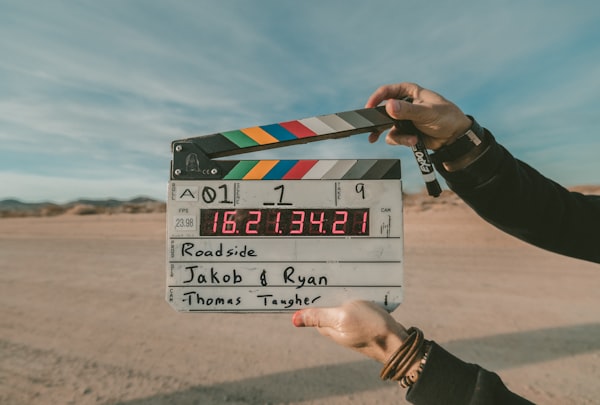
Television entertainment has undergone a transformation that few could have predicted when the first experimental broadcasts flickered across cathode ray tubes in the early twentieth century. What began as a scientific novelty has become the dominant storytelling medium of our age, shaping cultural conversations and creating shared experiences across continents.
The programmes we watch today carry the DNA of those pioneering broadcasts. Variety shows borrowed from vaudeville, news formats adapted from radio, and dramatic presentations drew upon theatrical traditions stretching back centuries. Yet television forged something entirely new from these influences.
The Golden Age and Its Lasting Influence
Between the late 1940s and early 1960s, television in Britain and America experienced what historians now call the Golden Age. Live drama flourished, bringing theatre into ordinary homes. Anthology series such as Armchair Theatre presented original plays that tackled social issues with a directness that surprised contemporary audiences.
These programmes were ephemeral by necessity. Video recording technology remained primitive and expensive, so most broadcasts existed only in the moment of transmission. The loss of so much early television has made the surviving recordings precious historical documents.
"Television brought the world into our sitting rooms, and in doing so, changed how we understood that world forever."
Documentary and Factual Programming
The documentary tradition developed its own grammar on television. Programmes could take viewers to places they would never visit, introduce them to people they would never meet, and examine subjects in depth that newspapers could only sketch. Natural history programming, pioneered by David Attenborough and others, created a new relationship between audiences and the natural world.
Current affairs programmes held governments accountable and informed democratic debate. The best investigative journalism on television combined rigorous reporting with compelling visual storytelling.
Our research services help preserve and understand this rich broadcasting heritage.
Explore Our ServicesThe Sitcom Revolution
Situation comedies evolved from their radio predecessors into something distinctly televisual. The genre developed conventions that audiences came to anticipate: the familiar settings, the recurring characters, the weekly complications resolved within thirty minutes. British sitcoms often carried sharper social commentary than their American counterparts, reflecting different broadcasting cultures.
The shift from studio recording to location filming expanded what sitcoms could portray. Programmes were no longer confined to three-walled sets but could venture into streets, workplaces, and landscapes that gave them greater visual variety and realism.
Landmark Programmes That Defined Generations
Certain programmes transcended their time slots to become cultural phenomena. They generated newspaper coverage, playground conversations, and water-cooler discussions. These shows reflected their societies while also influencing them, a feedback loop that gave television its particular cultural power.
The serialised drama transformed viewer habits. Where anthology programmes offered complete stories each week, serials demanded loyalty. Missing an episode meant losing the thread. This created communities of viewers who followed characters through years of fictional lives.
Technology and Transformation
Each technological advance reshaped what television could accomplish. Colour broadcasting made visual storytelling more vivid. Portable cameras liberated programmes from the studio. Satellite transmission enabled live global coverage of events as they unfolded.
"The history of television is ultimately a history of how societies chose to tell their stories to themselves."
The transition to digital broadcasting improved picture and sound quality while multiplying the number of available channels. Where viewers once chose among a handful of options, they now face hundreds. This abundance has fragmented audiences but also enabled niche programming that could never have survived in the analogue era.
Preserving Broadcasting Heritage
Archives face the challenge of preserving programmes across multiple formats, from deteriorating videotape to obsolete digital systems. The work of conservation ensures that future generations can study how television developed and what it meant to those who watched.
Academic study of television has matured into a recognised discipline. Scholars analyse programmes as cultural texts, examine industrial practices, and trace the medium's social effects. This research helps us understand not just what people watched but why it mattered.
Need assistance with television history research or archive consultation?
Get in TouchThe Streaming Revolution
Internet distribution has fundamentally altered how programmes reach audiences. The scheduled broadcast, once the organising principle of television, now competes with on-demand viewing. Entire series release simultaneously, enabling binge-watching sessions that collapse months of intended viewing into single weekends.
Global streaming platforms commission programming for international audiences from the outset. A drama series might feature British actors, South Korean production techniques, and stories aimed at viewers across dozens of countries. This internationalisation brings both creative opportunities and concerns about cultural homogenisation.
What the Future May Hold
Predicting television's future requires humility. Few anticipated the rise of reality programming, the prestige drama boom, or how thoroughly streaming would reshape the industry. What seems certain is that the fundamental human desire for stories, shared experiences, and windows onto other lives will continue to drive demand for television in whatever forms it takes.
The programmes of past decades remain available in archives and streaming libraries. They offer more than nostalgia. They document how societies understood themselves at particular moments, what they found funny, what worried them, what they dreamed about. Television history is social history, cultural history, and technological history intertwined.